
DROWSE · Start Here · Guide
DROWSE Beginner Guide — Your First Hour at the Office
This DROWSE beginner guide covers the first hour: how the office errand starts, which objects to examine, the puzzle clues to follow and what to do next.
By the Game Atlas team · Updated 2026-10-11
On this page (9)
DROWSE is a first-person psychological horror game set in the 1990s, and its opening hour is deliberately smaller than the premise suggests. You play as Andrew, a man who is called by a coworker and asked to go back to the office at night, collect her documents and make a few photocopies. The store page frames that errand in flat, ordinary terms: turn on your computer, make yourself a coffee, find paper for the copier. The unease arrives as small disturbances rather than as a monster in a corridor.
What You Actually Do in the First Hour
The store page describes the opening as a run of everyday tasks that gradually stop behaving normally. You move through quiet offices and familiar rooms while a ringing phone, an unexpected sound, or something that no longer looks the way you remember it interrupts the evening. There is no combat loop to learn and no crafting screen to memorise. The verbs are simple: walk, look, pick up and use.
Progress comes from examining things rather than from winning encounters. The store page tells you to open drawers, examine objects, read forgotten notes and listen to recorded messages. Each of those is a separate interaction, so the safest habit in the first hour is to treat every readable object as story content rather than as scenery.
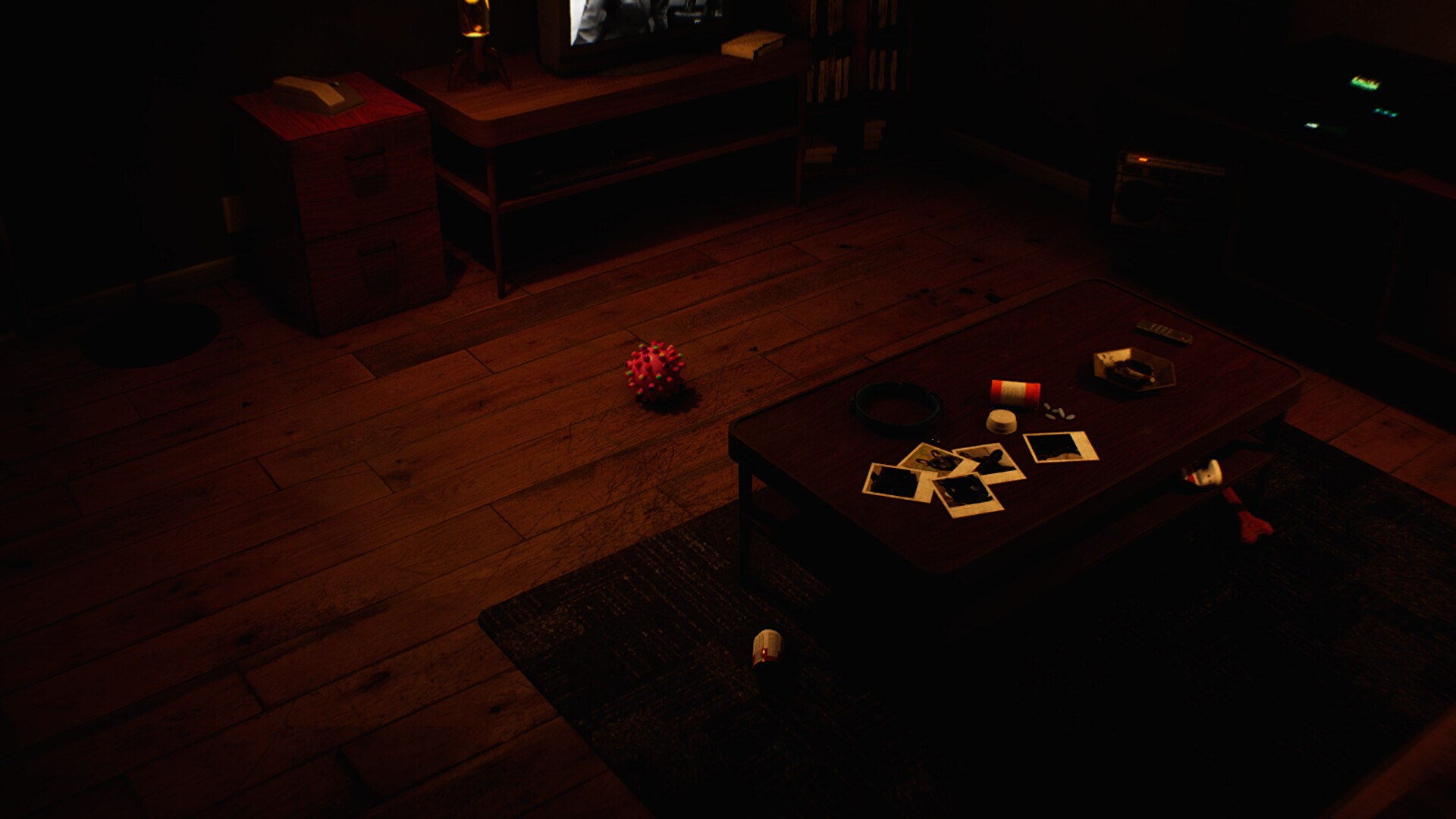
That framing is the point. Because the errand itself is mundane, the game establishes its tone through detail, and the store page leans on a 1990s setting filled with everyday objects, office equipment and traces of a personal life. Reading those traces is what turns a photocopy run into the story the game wants to tell.
The Core Systems a New Player Should Learn
The store page lists the activities it expects you to repeat, and they map cleanly onto a handful of systems. Knowing which verbs exist keeps you from hunting for mechanics the game never promises.
| System | What the store page says you do |
|---|---|
| Exploration | Move through quiet offices and familiar rooms in first person |
| Examination | Examine objects and search drawers for belongings |
| Reading and listening | Read forgotten notes and listen to recorded messages |
| Codes | Find clues and work out codes |
| Items | Use the items you discover to open the way forward |
| Story | Uncover the plot through documents, photographs and encounters |
The last row matters most for pacing. Nothing in the store page suggests a skill tree, a weapon upgrade or a difficulty setting, so your time is best spent on the environmental detail rather than on optimising a build.
Where New Players Get Stuck
The most common early stall is treating a room as a corridor. The store page says the game wants you to look closer and piece things together, and that instruction is literal: familiar spaces change as unease builds and memories intrude, so a room you walked through once may not read the same way later.
- If a door will not open, the answer is usually an item or a code rather than a key you missed.
- If a note mentions a number, assume it is a puzzle input until proven otherwise.
- If a room feels unfinished, re-check drawers and shelves rather than leaving the area.
- If nothing responds, listen for audio cues; recorded messages carry both story and hints.
A second trap is rushing. Because the horror is built from small disturbances rather than set pieces, skipping a note can remove the context for the next scene. The store page describes the story as a personal one about grief, loneliness and the struggle to move forward, and that material is delivered in fragments you have to collect.
What to Read Next
Once the errand has started, the next useful pages are the gameplay breakdown for how the loop fits together, the walkthrough for the order of the story beats, and the puzzles page for how clues and codes work. If you would rather prepare your PC first, the system requirements page lists the minimum and recommended specs, and the platforms page covers where the game is sold.
FAQ
1.How does DROWSE start?
A coworker calls and asks for a favor. Andrew heads back to the office at night to pick up her documents and make a few photocopies, which the store page describes as the ordinary errand that the whole game is built around.
2.Is there combat in DROWSE?
The store page does not describe any combat. It lists exploration, examining objects and environmental puzzles as the core activities, so the first hour is about looking and interacting rather than fighting.
3.What should I examine first?
Anything readable. The store page tells you to open drawers, examine objects, read forgotten notes and listen to recorded messages, and those notes and messages are what reveal fragments of Andrew's life.
4.How long is DROWSE?
The store page does not state a completion time. Playtime is not documented yet, so treat any figure you see elsewhere as unverified.
5.Do I need to know the story before playing?
No. The story is delivered through the objects you find, including documents, photographs and recorded messages, so the game introduces its context as you explore.
More in Start Here
More start here pages in DROWSE.
References
Facts on this page are compiled from the references above. Items marked "to confirm" are single-source and not yet verified.