
DROWSE · Start Here · Guide
DROWSE Walkthrough — Story Order and Progression
A DROWSE walkthrough that follows the story order: the call, the trip back to the office, the copier errand and the clues that open the way forward.
By the Game Atlas team · Updated 2026-10-11
On this page (9)
- Beat 1: The Call and the Errand
- Beat 2: The Ordinary Tasks
- Beat 3: The Disturbances
- Beat 4: Clues, Codes and the Way Forward
- How does the DROWSE story begin?
- What is the order of the opening tasks?
- How do you progress through DROWSE?
- Does the walkthrough change based on choices?
- How many chapters does DROWSE have?
DROWSE does not hand you a mission list, but the store page does describe the order its evening unfolds in, and that is enough to build a walkthrough around. The short version: a coworker calls, Andrew returns to the office for documents and photocopies, and the ordinary errand decays into a personal nightmare as the building stops behaving the way it should. This page follows those beats in the order the store page presents them rather than pretending to map every room.
Beat 1: The Call and the Errand
The game opens on Andrew at home. The store page describes him as a man struggling with the loss of his dog, Oxmo, with work filling the days and his apartment feeling empty. Getting through the routine is becoming harder. Then a coworker calls and asks for a favor, which gives the whole game its premise: pick up her documents, make a few copies, go home.
That opening is deliberately undramatic. The store page presents it as something that should be simple, and the reason to note it is that the story's emotional context is established here rather than later. Everything the game asks you to feel about the office depends on knowing what Andrew left behind at home.

Beat 2: The Ordinary Tasks
Once inside, the store page lists a run of mundane steps: turn on your computer, make yourself a coffee, find paper for the copier. Treat these as the game's tutorial in disguise. They teach the interaction vocabulary you will use for the rest of the run, and they establish the 1990s setting through everyday objects and office equipment.
| Beat | What the store page describes |
|---|---|
| 1. The call | A coworker asks Andrew for a favor |
| 2. The trip back | Andrew returns to the office at night |
| 3. The tasks | Turn on the computer, make coffee, find paper for the copier |
| 4. The disturbances | A ringing phone, an unexpected sound, something that looks wrong |
| 5. The search | Open drawers, examine objects, read notes, listen to messages |
| 6. The puzzle work | Find clues, work out codes, use items to open the way forward |
Nothing in that list is timed. The store page describes a game you can play at your own pace, so there is no penalty for standing in a room and reading.
Beat 3: The Disturbances
The turn happens quietly. The store page describes small interruptions to the evening: a ringing phone, an unexpected sound, something that no longer looks the way you remember it. It also says the further you go, the harder it becomes to make sense of where you are, which is the game's actual escalation curve. There is no chase and no monster named on the store page; the pressure is disorientation.
This is the part of a walkthrough that cannot be mapped room by room from official sources, because the store page does not publish a room list. What it does publish is the behaviour to expect: familiar spaces change as unease builds and memories intrude, so the walkthrough's job here is to tell you that a changed room is normal rather than a bug or a wrong turn.
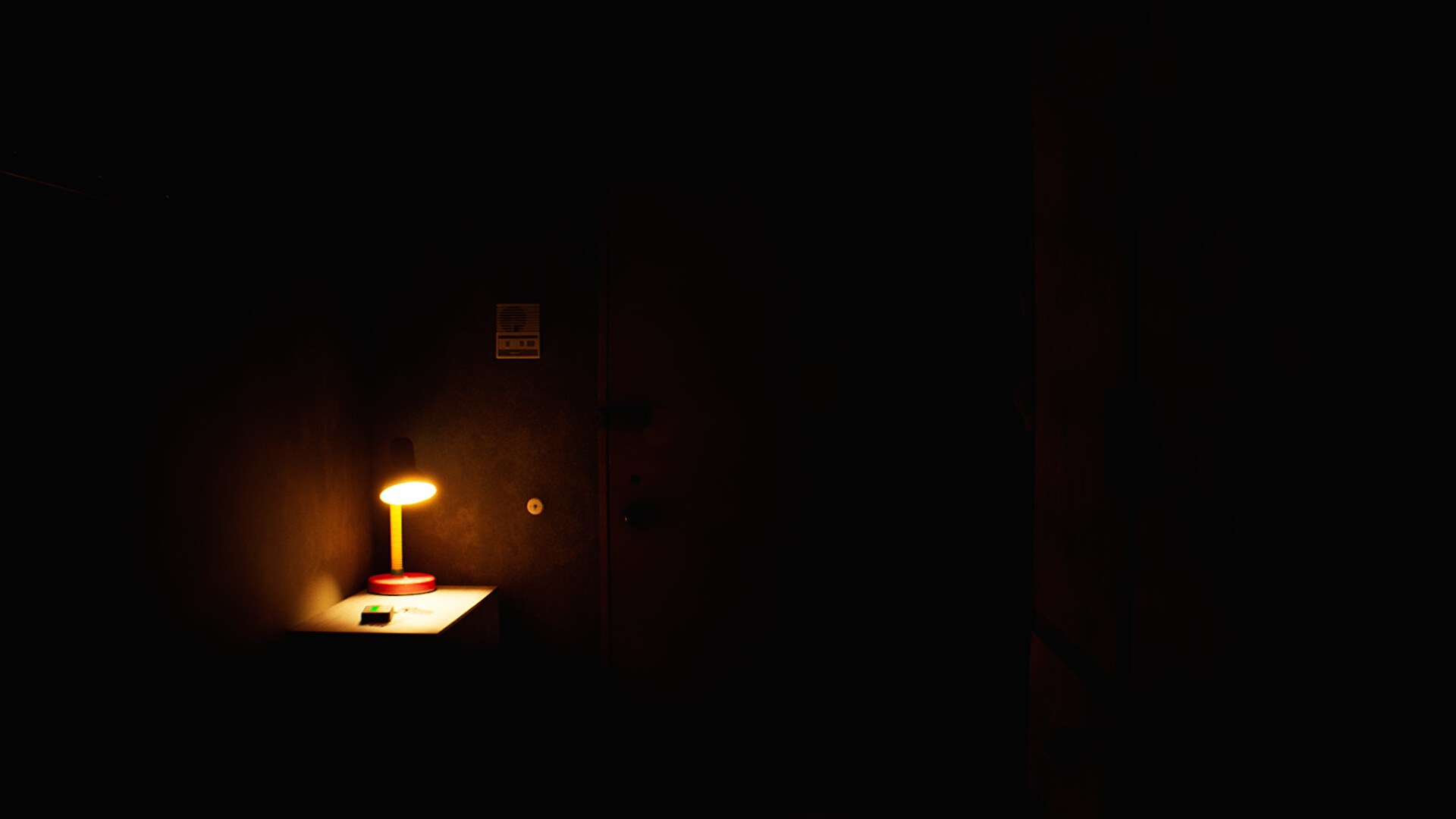
Beat 4: Clues, Codes and the Way Forward
The second half of the game is information work. The store page says you open drawers, examine objects, read forgotten notes and listen to recorded messages, then find clues, work out codes and use the items you discover to open the way forward. Photographs, personal belongings and words left by others reveal fragments of Andrew's life.
That makes the progression loop self-describing: every locked thing has a matching piece of reading, and every piece of reading advances both the puzzle and the story. The store page describes the ending state only in emotional terms, saying the story is about grief, loneliness and the struggle to move forward, with the bond between Andrew and Oxmo at the heart of the journey. Specific endings and their conditions are not documented yet, and neither is a chapter count.
If you want mechanics rather than story order, the gameplay page breaks down the loop, and the puzzles page covers the clue types. The beginner guide is the better start if you have not launched the game yet.
FAQ
1.How does the DROWSE story begin?
A coworker calls and asks Andrew for a favor. He goes back to the office at night to pick up her documents and make a few photocopies, which the store page presents as an ordinary errand.
2.What is the order of the opening tasks?
The store page lists them as turning on your computer, making yourself a coffee and finding paper for the copier, before you move through the quiet offices.
3.How do you progress through DROWSE?
By examining objects, reading forgotten notes, listening to recorded messages and working out codes. The store page says the items you discover are what open the way forward.
4.Does the walkthrough change based on choices?
No branching is documented. The store page describes a single story uncovered through documents, photographs, recorded messages and encounters, with no mention of multiple paths or endings.
5.How many chapters does DROWSE have?
The store page does not list chapters or acts, so the number of sections is not documented yet. The order below follows the beats the store page describes.
More in Start Here
More start here pages in DROWSE.
References
Facts on this page are compiled from the references above. Items marked "to confirm" are single-source and not yet verified.