
Echo Weaver · Systems · Guide
Echo Weaver Tips — Spend Time Well and Read the Hazards
Echo Weaver tips for new Weavers: how to budget the time pool, when to scout instead of push, why hazard memorization beats reflexes, and what not to hoard.
By the Game Atlas team · Updated 2026-10-11
On this page (8)
- Budget the Time Pool Before You Move
- Scout Instead of Pushing
- Do Not Hoard, and Do Not Heal Reflexively
- Build on What Carries Over
- What is the single most useful habit in Echo Weaver?
- Should I heal whenever I take damage?
- How do I get past a section I keep failing?
- Is it worth grabbing time pickups on a route I already know?
Echo Weaver tips mostly come down to one habit: treat time as money you are spending, not as a bar you are keeping full. The store page describes the loop as a consumable resource you extend with pickups and then draw on to heal, trade and unlock routes, and it frames the loop as rewarding rhythm and routing over raw reflexes. Every tip below follows from those two statements plus the fact that there is no upgrade system to fall back on.
Budget the Time Pool Before You Move
The pool pays for healing, trading and unlocking routes, so every decision is a trade-off rather than a free action. The practical rule is to name the loop's purpose before you start: is this a scouting loop to map a route, or a progress loop to push through something you already understand? A loop with no stated purpose tends to end with nothing opened and nothing learned, which is the most expensive outcome in a game where knowledge is the only currency that carries over.
- Decide the loop's goal before you spend a single pickup.
- Bank extra time before a section you already know is expensive.
- Re-run a solved route quickly to fund the next unknown stretch.
Scout Instead of Pushing
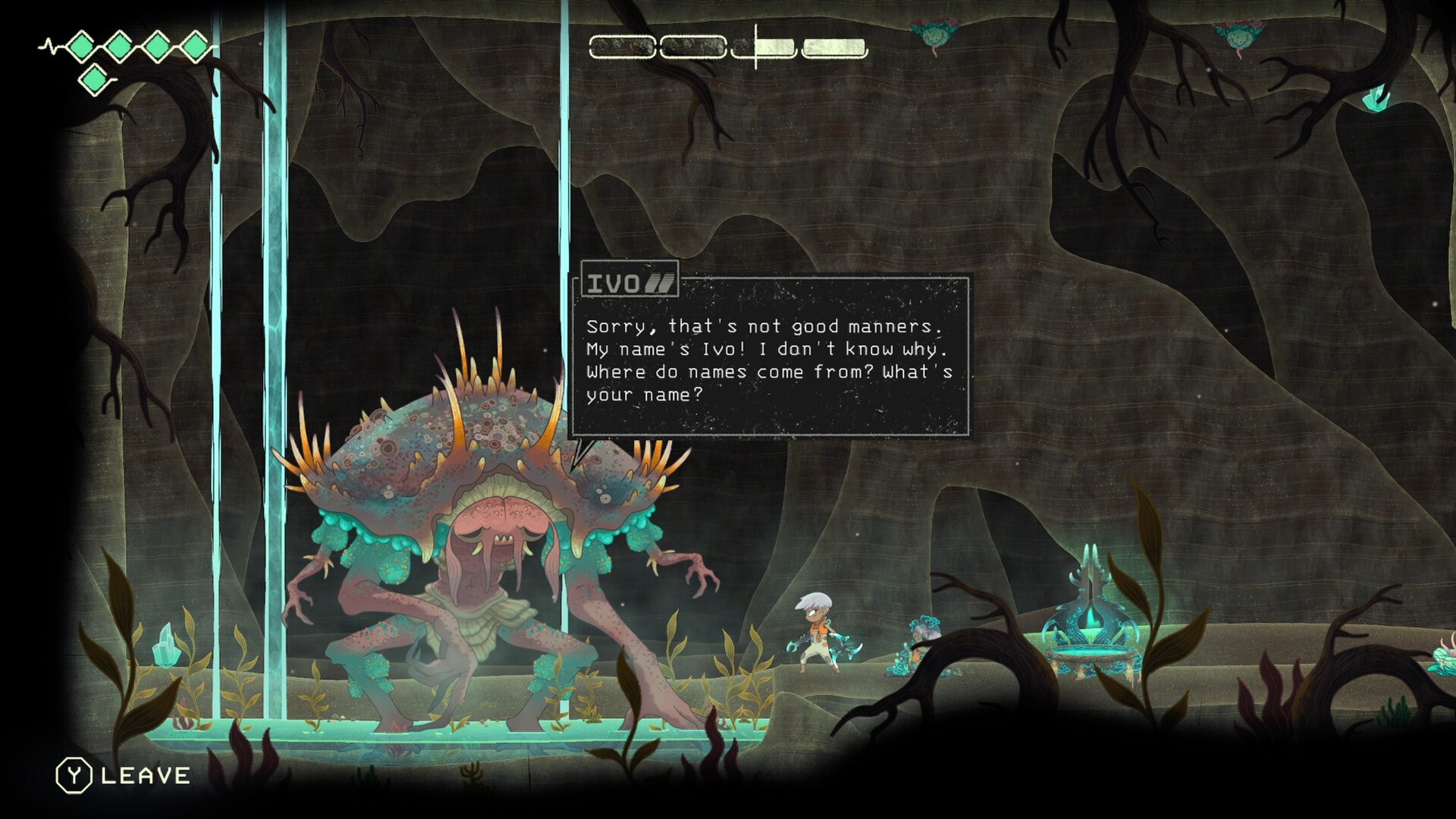
When a stretch keeps killing you, the store page's own framing says the fix is observation. The loop rewards rhythm and routing over raw reflexes, and memorizing the hazards is what produces the perfect flow through the ruins, so a death that taught you a timing is not wasted. Spend a loop deliberately dying to learn a pattern if that is what it takes, then convert the knowledge on the next attempt. This is also why treating every locked door as a bookmark works better than forcing it: an obstacle you cannot pass today is a route you can open once you understand the trigger.
Do Not Hoard, and Do Not Heal Reflexively
Both extremes fail for the same reason. A player who never spends time never opens the shortcuts that make later loops shorter, and a player who heals at the first hit often has nothing left when a route finally opens. The store page lists trading alongside healing and route unlocking as things the pool pays for, which is a hint that converting time into something else is a normal, expected move rather than a last resort. The one habit worth keeping is to heal when the damage threatens the loop's purpose, and not merely because the bar is not full.
Build on What Carries Over
Nothing on a character sheet carries between loops, so the only durable investments are knowledge and the routes you unlock. That makes two things worth doing early: writing down in your head which anomaly does what, and finishing routes rather than sampling many. A half-understood area costs you the loop and teaches less than a single route pushed to a shortcut. If you want the mechanics explained before you apply any of this, read the time loop page and the gameplay breakdown first.
FAQ
1.What is the single most useful habit in Echo Weaver?
Deciding what each loop is for before you start it. The time pool pays for healing, trading and unlocking routes at once, so a loop with no stated purpose tends to end with nothing opened and nothing learned.
2.Should I heal whenever I take damage?
Not reflexively. Healing draws from the same pool that unlocks routes, so healing immediately can leave you with nothing to spend when a shortcut finally opens. Weigh the damage against the route in front of you.
3.How do I get past a section I keep failing?
Stop pushing and watch. The store page frames the loop as rewarding rhythm and routing over raw reflexes and says memorizing the hazards is what produces the perfect flow, so the fix is usually observation rather than a better attempt.
4.Is it worth grabbing time pickups on a route I already know?
Yes. A solved route re-run quickly builds a buffer you can spend on the next unknown stretch, which is how a run you already understand funds the part you do not.
More in Systems
More systems pages in Echo Weaver.
References
- Echo Weaver on Steam
- Echo Weaver app details (Steam Web API)
- Moonlight Kids official site
- Echo Weaver Steam Community
Facts on this page are compiled from the references above. Items marked "to confirm" are single-source and not yet verified.