
Forever Ago · Start Here · Guide
Forever Ago Beginner Guide — How to Start the Road Trip
A Forever Ago beginner guide to Third Shift's road trip adventure: how Alfred's journey north begins, what the instant camera does, and where to look first.
By the Game Atlas team · Updated 2026-10-11
On this page (12)
- What Kind of Game This Is
- The Opening Hours: Follow the Road, Not a Checklist
- The Camera Is the Core Tool
- Characters, Objects and the Story Layer
- Where Beginners Get Stuck
- What Is Not Documented Yet
- Where to Go Next
- What do you actually do in Forever Ago?
- Is there combat or a way to fail?
- How long is the game?
- Which language should I pick for the story?
- Do I need a controller?
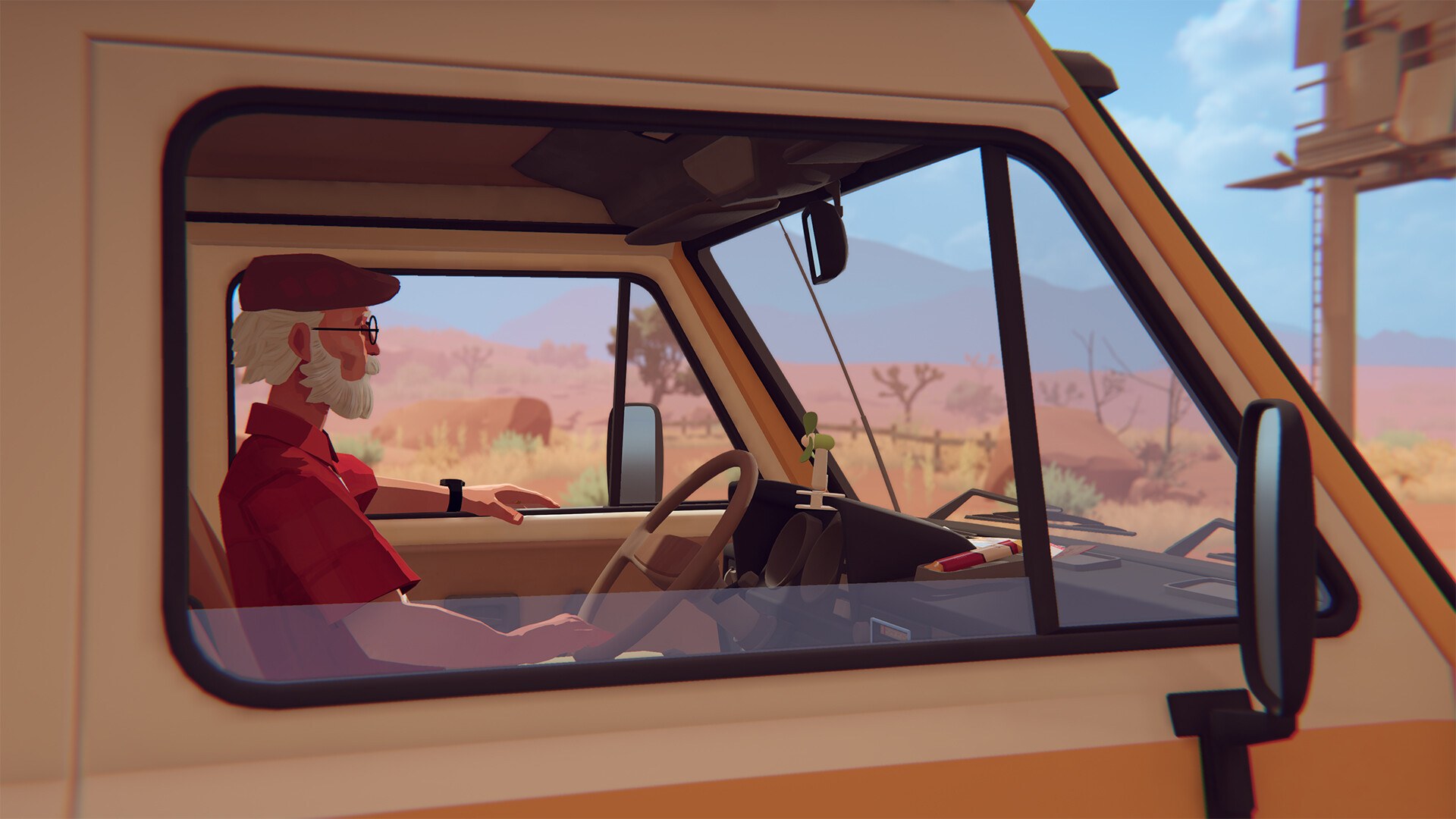
Forever Ago is a single-player road trip adventure from developer Third Shift, published by Annapurna Interactive and released on Windows through Steam on October 8, 2026 at $17.99. This beginner guide answers the first question a new player has: what am I actually supposed to do? You play as Alfred, who sets out north after a tragic stroke of fate in search of redemption, and the game asks you to travel, look closely at the world, talk to strangers, and photograph what matters.
The good news for a first session is that there is nothing to optimise before you start. The store page describes no combat, no resource management and no difficulty selector, so you cannot build a character the wrong way. What you can do is miss things, and that is where the early habits below pay off.
What Kind of Game This Is
The store page files Forever Ago under Adventure and Indie, and the short description calls it a single-player road trip adventure. The pitch is explicit about tone: a nuanced and heartfelt story about broken dreams, loss and regret, but also courage, hope and true friendship. That mix tells you what to expect from the pacing. This is a game where the reward for poking at a scene is a piece of context, not a stat boost.
Two production details are worth knowing before you press start. The characters you meet are brought to life by renowned voice actors, and the soundtrack is by Clark Aboud, who also scored Slay the Spire and Kind Words. Both are listed on the store page, which is the only fact source used here.
The Opening Hours: Follow the Road, Not a Checklist
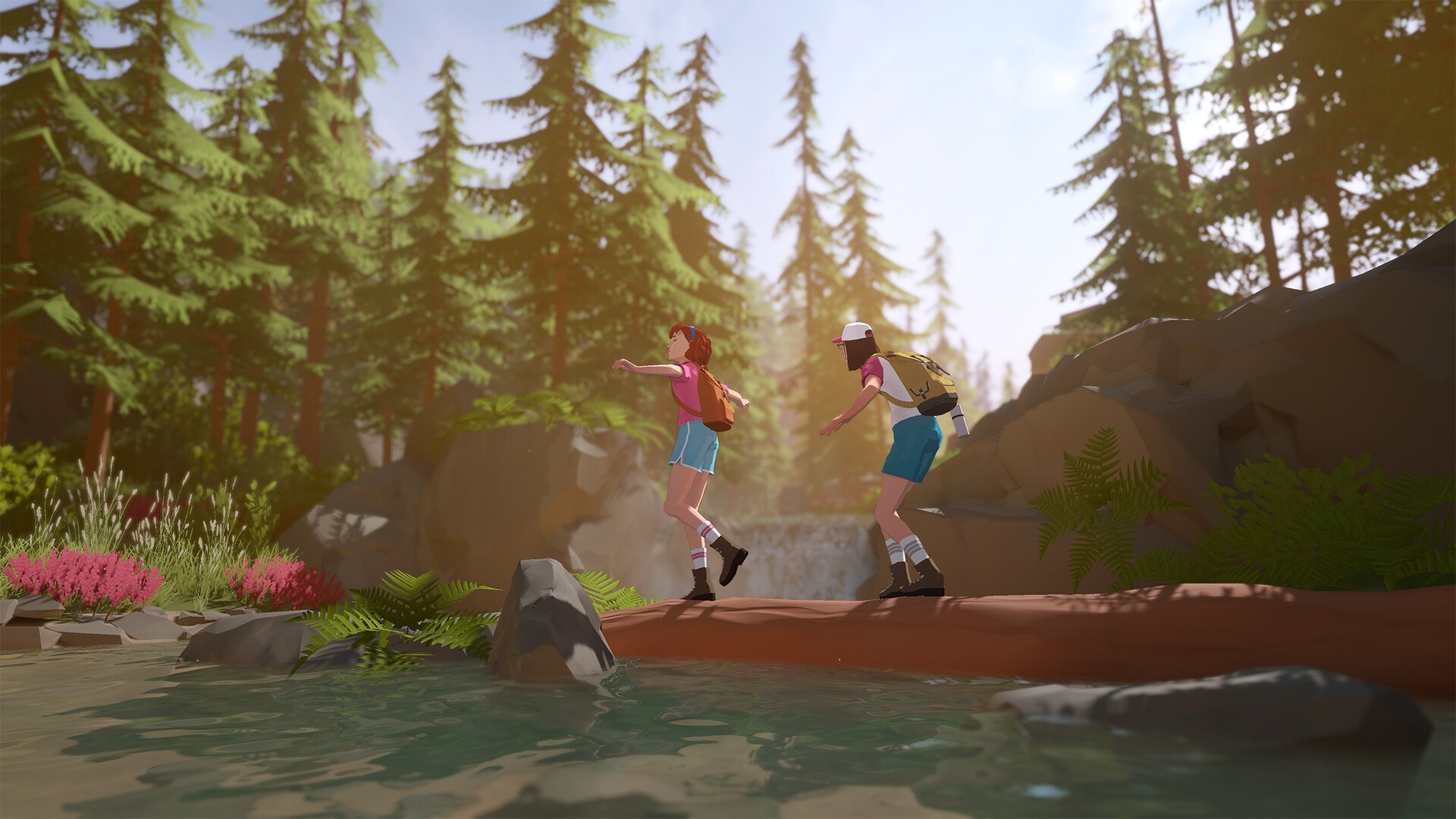
Your first stretch is deliberately open. Alfred travels to beautiful places, and the environments the store page names range from serene forest trails to dusty barrens sweltering in the desert sun. There is no quest log behaviour documented, so treat each new location as a small scene to be read rather than a task list to be cleared.
- Walk the area before you interact with anything, so you know what is there.
- Examine objects, because the store page lists examining and interacting with objects as a core verb.
- Talk to every character you pass; the story is delivered through the people Alfred meets.
- Photograph what you want to remember, since the camera documents the journey.
The Camera Is the Core Tool
Of all the systems the store page lists, the camera is the one that does double duty. Alfred carries a good old instant camera, and you use it both to document the journey and to solve small environmental puzzles. That second role is the part beginners underuse: the camera is not a photo mode bolted onto a walking simulator, it is a puzzle instrument.
Because the store page describes the puzzles as small and environmental, you can assume they are local to the scene you are standing in rather than spread across the map. When something looks deliberately framed, that is usually the cue. Our dedicated camera page breaks the tool down further, and the controls page covers what is and is not documented about inputs.
Characters, Objects and the Story Layer
The story arrives through two channels. The first is conversation: you learn about the stories, beliefs and struggles of the characters you meet along the way. The second is the environment itself, because examining and interacting with objects teaches you about your surroundings and the people living there. If you rush between destinations, you skip most of the second channel.
A second strand runs underneath the road trip. The store page describes playing through a lifetime of love as Alfred with his sweetheart Audrey, a true love that transcends time. Treat those sequences as part of the same story rather than as a separate mode, and pay attention to how they sit next to the present-day journey.
| Early decision | What the store page supports | Beginner advice |
|---|---|---|
| Explore or push forward | Exploration is a named pillar; environments are a listed selling point | Explore, because objects carry context you cannot get later |
| Photograph or skip | The camera both documents the journey and solves puzzles | Photograph anything framed deliberately |
| Talk or move on | Characters carry the stories, beliefs and struggles | Talk, since dialogue is the main story channel |
Where Beginners Get Stuck
The honest answer is that the documented failure mode is not difficulty, it is under-reading. Nothing in the store page suggests a punishing section, a hidden stat or a build that can be ruined. What the page does emphasise is examination, conversation and photography, which means the players who bounce off are usually the ones treating it as a corridor to the next cutscene.
If you are ever unsure whether you are missing something, slow down and sweep the room for interactable objects. If a puzzle resists you, re-read the scene through the camera, because the store page ties puzzles to photography rather than to a separate puzzle screen.
What Is Not Documented Yet
Several numbers a guide would normally give you are simply not published. The store page and official site do not state a completion time, a chapter count, a save system description, a New Game Plus mode or a list of endings. There is also no demo, and no Steam Workshop support is listed. Rather than guess, this guide leaves those as not documented yet.
Where to Go Next
If you want the systems explained in order, read the gameplay overview. If you would rather have a straight sequence to follow, start with the walkthrough. For launch facts and pricing, see the release date page and the price page.
FAQ
1.What do you actually do in Forever Ago?
You drive north as Alfred, explore environments on foot, talk to the people you meet and take photographs with his instant camera. The store page frames it as a single-player road trip adventure about a journey in search of redemption.
2.Is there combat or a way to fail?
The store page does not describe combat. It lists exploration, examining and interacting with objects, conversation and camera puzzles, so the moment-to-moment loop is about discovery rather than fighting. No fail state is documented.
3.How long is the game?
Not documented yet. Neither the store page nor the official site states an average completion time, so any figure you see elsewhere is not from the developer.
4.Which language should I pick for the story?
English is the only language with full audio support. Thirteen languages have text, including French, German, Japanese, Simplified Chinese, Korean, Polish, Portuguese - Brazil, Russian and both Spanish variants.
5.Do I need a controller?
No. The store page lists full controller support and DualShock and DualSense support, but keyboard and mouse is the default on Windows and no controller is required.
More in Start Here
More start here pages in Forever Ago.
References
- Forever Ago on Steam
- Forever Ago app details (Steam Web API)
- Forever Ago official site
- Forever Ago Steam Community
Facts on this page are compiled from the references above. Items marked "to confirm" are single-source and not yet verified.