
Truckful · Systems · Guide
Truckful Gameplay — Delivery Loop and Upgrades
Truckful gameplay explained: the delivery loop, fragile and shaky cargo, truck weight and load capacity upgrades, and exploring the old forest.
By the Game Atlas team · Updated 2026-10-11
On this page (11)
- The Core Loop
- Cargo, Fragility and Speed
- Truck Upgrades and Progression
- Routes, Wetlands and the Old Forest
- Failure, Restarts and Pacing
- How the Systems Fit Together
- What is the core loop of Truckful?
- How does cargo affect driving?
- What does upgrading the truck actually change?
- Is Truckful open world?
- Is there multiplayer in Truckful?
Truckful gameplay is one loop repeated at increasing scale: take an errand from a villager, pack the pickup bed with the requested goods, drive the route without wrecking the load, and hand it over. The store page describes the game as a single player car delivery adventure built around completing errands and quests for villagers while uncovering the ancient mystery that surrounds the nearby old forest. Everything else in the systems layer exists to make that loop harder, faster or more rewarding.
The Core Loop
The loop has four beats and they always run in the same order. First you accept work from a villager, then you load the bed, then you drive, then you deliver. Because the store page says the townsfolk appreciate your work and often help with upgrades, scrap collection and more, the payoff of a clean delivery is a stronger truck rather than a score. That makes the loop self-reinforcing: better truck, harder routes, richer cargo, better truck.
- Accept an errand and note the cargo type.
- Load the bed within what the truck can carry.
- Drive the route at a pace the cargo tolerates.
- Deliver, collect the reward, and put it into the truck.
- Repeat on a longer or rougher route.
Cargo, Fragility and Speed
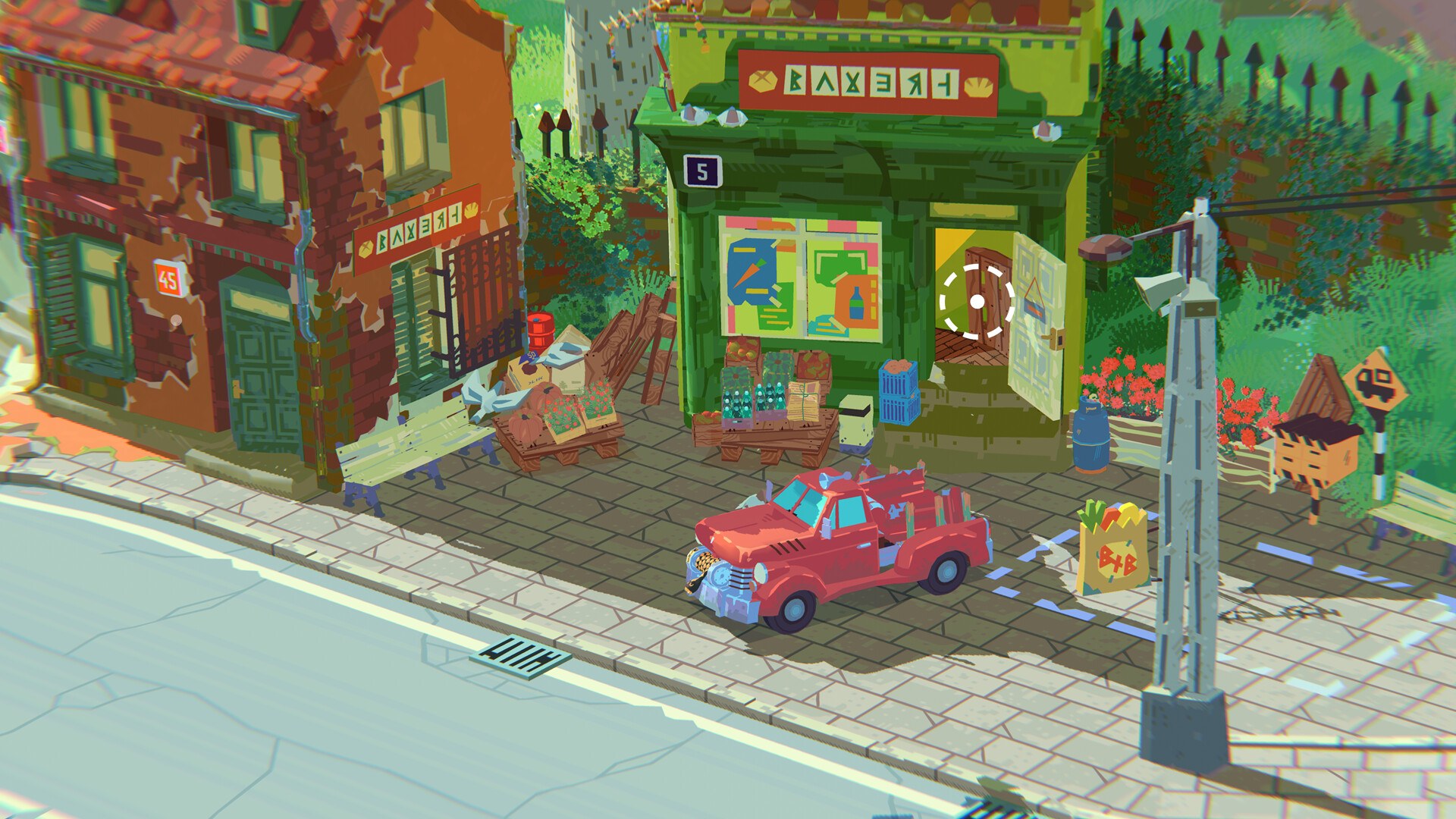
The store page is specific about what the bed carries: fragile and shaky cargo of all shapes and kinds. It names two cases that pull in opposite directions. Ice cold fish needs to be delivered fast, so the route has to be efficient. A classic grandma vase will put your driving skills to the true test, so the same route has to be smooth. Reading the cargo before you set off is therefore the single most important decision in a run.
| Cargo named on the store page | Pressure it applies |
|---|---|
| Ice cold fish | Time, so choose the shortest line |
| Grandma vase | Damage, so avoid rough ground |
Truck Upgrades and Progression
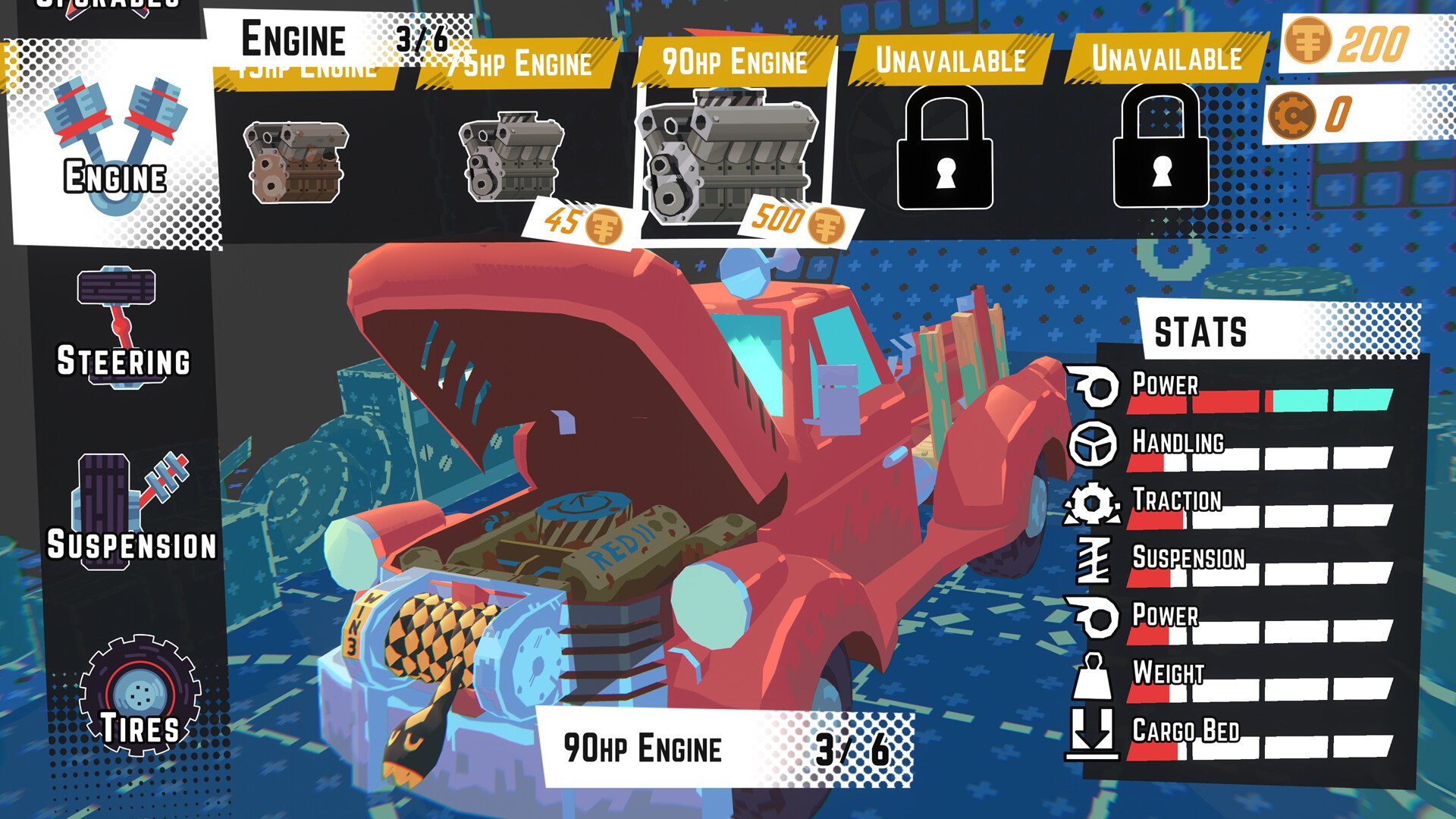
Progression runs through the vehicle. The store page says you upgrade the truck and improve its weight and load capacity to make it go faster through all kinds of demanding routes. Weight and load capacity are the two named statistics, and both feed directly into the loop: capacity decides what you can accept, and weight affects how the truck handles a demanding route. There is no skill tree or combat upgrade described anywhere on the store page.
Routes, Wetlands and the Old Forest
The map is described as countryside valleys, dusty lowlands and small towns, with harder ground beyond them. The store page names hidden paths, misty wetlands, unforgiving marshes and dusty quicksands, and says these places tell the stories of the past. It also says you explore a variety of landmarks and discover secrets hidden behind the forest branches. Exploration and delivery are the same activity here, because the routes that carry goods are the routes that hide the story.
Failure, Restarts and Pacing
The store page does not describe a failure state, a timer system or a restart penalty, so what happens when a delivery goes wrong is not documented yet. What is documented is the shape of the pressure: fragile cargo, demanding routes, and a truck whose weight and capacity limit what you can attempt. Treat a bad delivery as a signal to upgrade before retrying rather than as a punishment to absorb.
How the Systems Fit Together
Read as a whole, the systems describe a game about planning rather than reflexes. The Truckful beginner guide covers the first hour in order, the Truckful cargo page goes deeper on load limits, and the Truckful tips page collects the habits that keep a full bed intact.
FAQ
1.What is the core loop of Truckful?
Take errands from villagers, load the pickup bed with the requested goods, drive the route without damaging the cargo, and deliver it. The store page frames the whole game as completing errands and quests for villagers while uncovering the mystery around the old forest.
2.How does cargo affect driving?
Cargo is fragile and shaky. The store page gives ice cold fish that needs a fast delivery and a classic grandma vase that tests your driving, so the same road can demand speed for one load and caution for the next.
3.What does upgrading the truck actually change?
The store page says you upgrade the truck and improve its weight and load capacity to make it go faster through demanding routes, so upgrades affect how much you can carry and how quickly you cross rough terrain.
4.Is Truckful open world?
The store page describes countryside roads, dusty lowlands, small towns, wetlands, marshes and quicksands, plus landmarks to explore, but it does not use the term open world, so the exact map structure is not documented yet.
5.Is there multiplayer in Truckful?
No. The Steam store page lists Single-player as the only player mode and does not list any co-op or online option.
More in Systems
More systems pages in Truckful.
References
- Truckful on Steam
- Truckful app details (Steam Web API)
- Truckful official site (MythicOwl)
- Truckful Steam Community hub
Facts on this page are compiled from the references above. Items marked "to confirm" are single-source and not yet verified.