
Anshi · Start Here · Guide
Anshi Walkthrough — Normal Mode, Tower Mode and Rest Camps
Anshi walkthrough: the order to play nine levels across Normal and Tower Mode, how to close a Stealth Phase, when to recruit a Boss and where rest camps fit.
By the Game Atlas team · Updated 2026-10-11
On this page (11)
- Step One: Learn the Loop in Normal Mode
- Step Two: Run the Two Phases Properly
- Step Three: Shift Cycles Instead of Racing Damage
- Step Four: Recruit Defeated Bosses in Tower Mode
- Step Five: Use Camps Between Challenges
- Step Six: Settle Into a Repeatable Routine
- What order should I play Anshi in?
- How do I close out a Stealth Phase?
- When do I recruit a Boss?
- How do rest camps fit into the run?
- Is there a per-level guide to the nine levels?
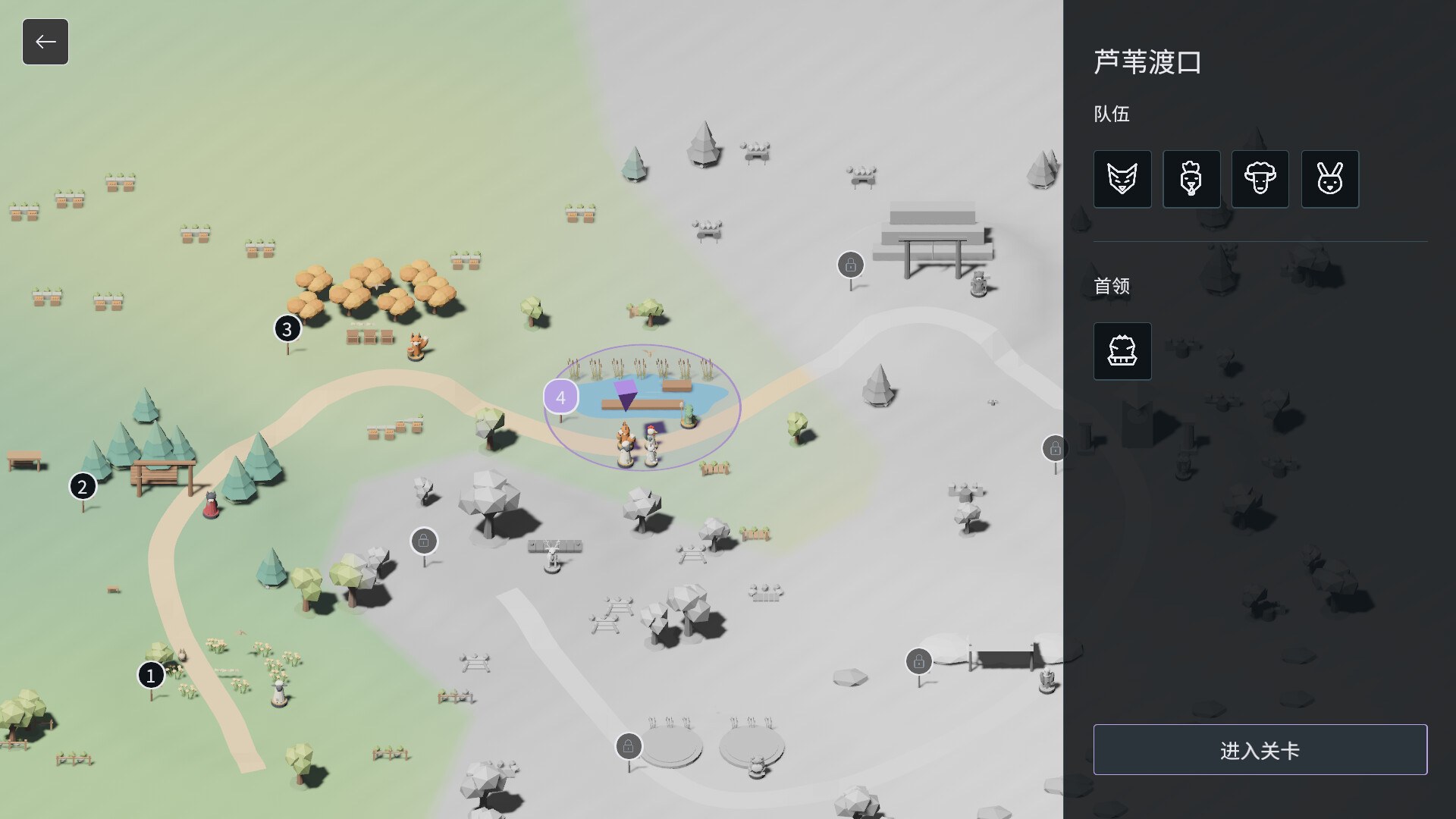
Anshi is not a game you can walk through frame by frame, because the store page never names the nine levels or their Bosses. What it does document is a reliable order of operations: learn the systems in Normal Mode with a fixed party and hand, then move to Tower Mode where you choose your setup and recruit the Bosses you beat. This walkthrough follows that order and covers the phase structure every level shares.
Step One: Learn the Loop in Normal Mode
Normal Mode is the on-ramp. The store page describes it as independent levels tackled with a fixed party and a fixed hand, which means you cannot solve a loss by rebuilding your team; the only variables are which cards you spend and when. That constraint is exactly why it teaches the game: with the roster frozen, every improvement you make comes from reading the board better.
- Take each level as a self-contained puzzle.
- Expect the fixed hand to be the same each attempt.
- Use the level to practise reading upcoming skills before you act.
Step Two: Run the Two Phases Properly
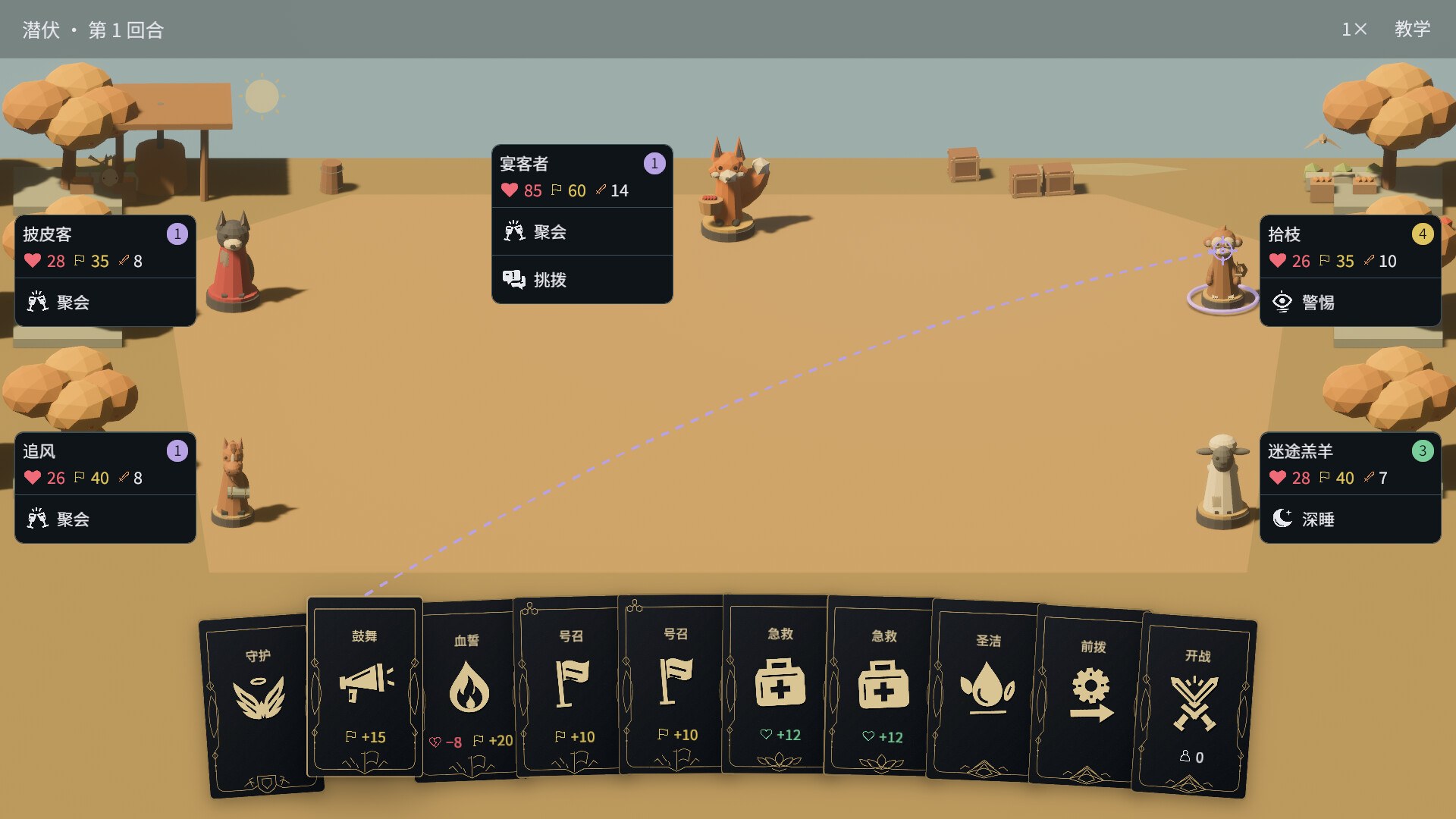
Every level runs the same two phases. In the Stealth Phase the Boss spreads Rumors that prevent your pieces from gaining Morale and launches night raids that drain Health, and you answer with a limited hand. Then you decide when the battle starts, and in battle pieces act from highest to lowest Morale with enhanced skills unlocking at maximum Morale.
The transition is the part players get wrong. The store page frames it as a real choice: keep building Morale, or start the fight while your party still has strength to spare. Start too early and pieces with insufficient Morale suffer Wavering and sit out temporarily.
Step Three: Shift Cycles Instead of Racing Damage
Your cards exist to move your pieces' action cycles, not to trade damage. The store page describes the intended flow as inspecting both sides' actions, targets and upcoming skills, then using cards to bring a needed skill forward, respond to the Boss's plans and set up the skills that follow. So each turn has a natural order: read first, choose the skill that must land, spend the card that gets it there, then prepare the next one.
| Turn step | What you are doing | Why it comes in this order |
|---|---|---|
| 1. Read | Inspect both sides' actions, targets and upcoming skills | You cannot judge a cycle shift without knowing the Boss's plan |
| 2. Choose | Decide which skill must arrive now | The card is spent on the skill you need, not the skill you have |
| 3. Shift | Play cards to move your pieces' action cycles | This is the only documented use of the hand |
| 4. Set up | Line up the skills that follow | Keeps the next turn from starting from zero |
Step Four: Recruit Defeated Bosses in Tower Mode
Tower Mode is where the walkthrough changes character. You choose your party and your hand, and you recruit the Bosses you defeat and bring them along for the challenges ahead. That turns each victory into a roster decision: a Boss you beat is a piece you can use later, so a win is an investment in the rest of the climb rather than a closed chapter.
Step Five: Use Camps Between Challenges
During the climb you restore your party's Health at a campfire or a woodland hot spring. Because night raids drain Health before every battle, camps are the mechanism that makes a long Tower Mode run survivable. The store page describes the pieces sitting and chatting or soaking and resting, then setting off again as night gives way to sunrise, which is the game's own signal that a camp is a break between attempts rather than part of the fight.
Step Six: Settle Into a Repeatable Routine
Once the systems are familiar, a stable run has a recognisable shape. Prepare under the Boss's disruptions, decide the Morale threshold you need, start the battle when your pieces can all act, shift cycles to land the skills that matter, then camp before the next challenge. The store page does not state how many challenges Tower Mode contains beyond the nine levels, how long a run takes, or what happens on a loss, so those specifics are not documented yet.
For the systems behind these steps, read the gameplay breakdown. The beginner guide covers the first session, the cards page explains the hand, and the tips page collects the timing habits that make the routine stick.
FAQ
1.What order should I play Anshi in?
Start in Normal Mode, which presents nine levels as independent encounters with a fixed party and hand. It removes roster decisions so you can learn cycle shifting and Morale timing before Tower Mode adds party and hand choices.
2.How do I close out a Stealth Phase?
Once your pieces have enough Morale to all act, you choose to begin the battle. The store page warns that pieces with insufficient Morale suffer Wavering and are temporarily unable to act, so the trigger point is a Morale threshold rather than a Health threshold.
3.When do I recruit a Boss?
In Tower Mode. The store page says you recruit the Bosses you defeat and bring them along for the challenges ahead, so recruitment happens after a victory rather than during a fight.
4.How do rest camps fit into the run?
They restore Health at a campfire or a woodland hot spring during your climb. Since night raids drain Health in the Stealth Phase, camps work best as a reset before a harder level.
5.Is there a per-level guide to the nine levels?
Not documented yet. The store page states that the game includes nine levels but does not name them, list their Bosses or describe individual mechanics, so a level-by-level breakdown is not available.
More in Start Here
More start here pages in Anshi.
References
Facts on this page are compiled from the references above. Items marked "to confirm" are single-source and not yet verified.