
Anshi · Systems · Guide
Anshi Tips — Morale Timing and Cycle Management Habits
Anshi tips for the first sessions: when to end the Stealth Phase, how to spend cards on action cycles, why Rumors stall Morale and how rest camps fit a run.
By the Game Atlas team · Updated 2026-10-11
On this page (11)
- Read Before You Spend
- Decide the Morale Threshold Before You Fight
- Counter Rumors as a Priority, Not a Chore
- Treat Damage as a Resource, Not Just a Loss
- Use Camps Deliberately
- What Is Not Documented Yet
- What is the single most important habit in Anshi?
- Should I always build Morale as high as possible?
- Why do Rumors matter so much?
- When should I use a rest camp?
- Does the game reward replaying levels?
The most useful Anshi tips all point at the same idea: this is a game about timing, not about volume. There is no gameplay randomness, so the outcome of a level is decided by when you spend cards, when you end the Stealth Phase and how you handle the Boss's attempts to stall your Morale. Below are the habits that follow from what the store page actually documents.
Read Before You Spend
The store page describes the core interaction as inspecting both sides' actions, targets and upcoming skills, then using cards to shift your own pieces' action cycles. That order matters: the read comes first, the card comes second. If you play a card before you know what the Boss is about to do, you cannot know whether bringing a skill forward is an answer or a waste.
- Check the enemy's target before deciding which of your pieces needs help.
- Check the enemy's upcoming skill before pulling one of yours forward.
- Only then decide whether the card is worth spending now or later.
Decide the Morale Threshold Before You Fight
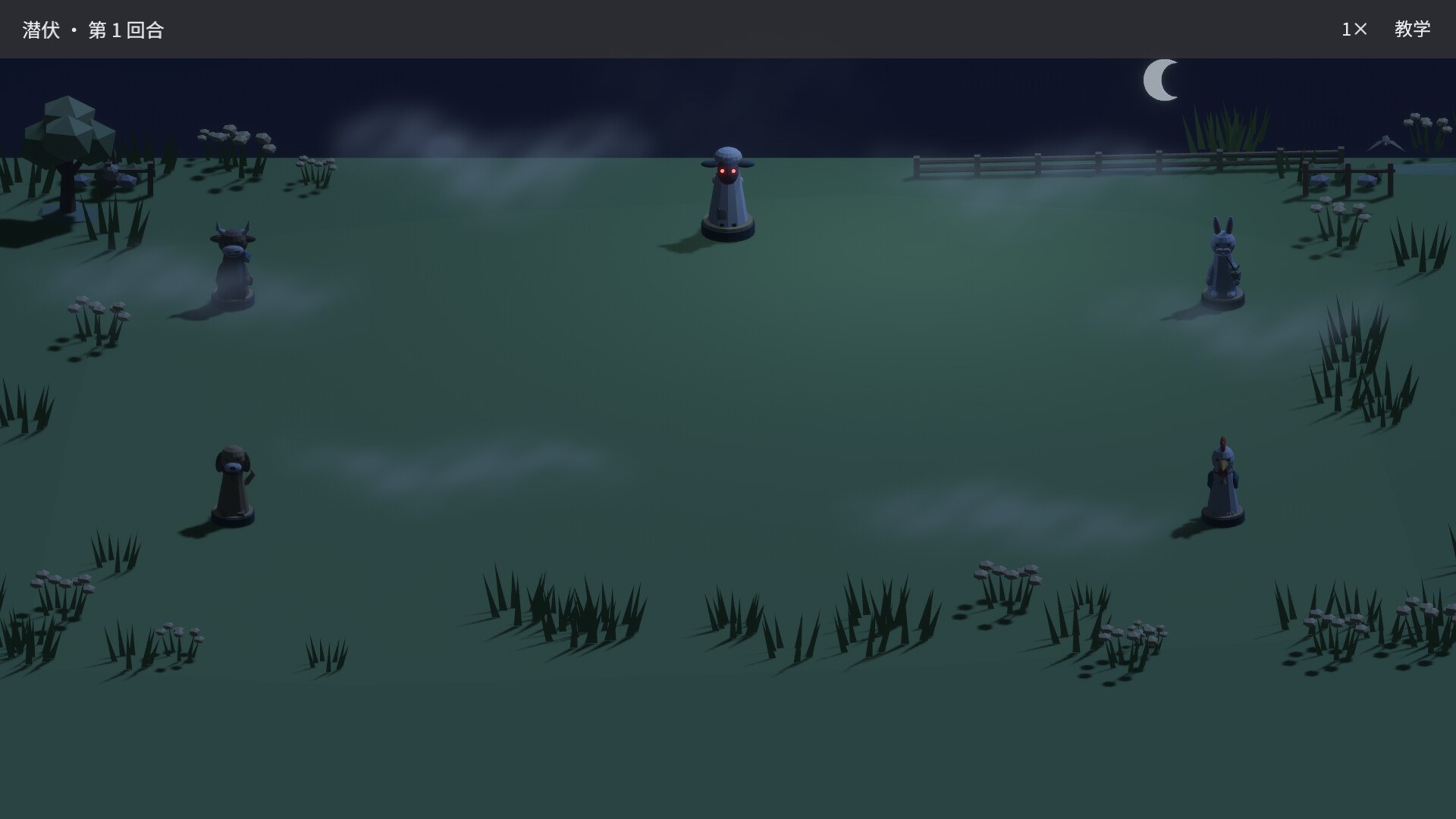
You control when the Stealth Phase ends, and that decision has a named penalty. Pieces with insufficient Morale suffer Wavering and are temporarily unable to act, so entering the battle below the threshold costs you turns rather than Health. The store page poses the choice as keep building Morale or start while your party still has strength to spare.
A practical habit is to pick the Morale number you need before the battle, based on which pieces must act early, and only then start the fight.
Counter Rumors as a Priority, Not a Chore
Rumors do one specific thing: they prevent your pieces from gaining Morale. Since Morale sets turn order and unlocks enhanced skills at maximum, a blocked Morale gain compounds, costing you initiative now and the enhanced skill later. Night raids are the other half of the problem, draining Health while you deal with the stall.
| Disruption | What it does | What it costs you if ignored |
|---|---|---|
| Rumors | Prevent your pieces from gaining Morale | Slower turn order and delayed enhanced skills |
| Night raids | Drain your pieces' Health | Less Health to spare when the battle starts |
Treat Damage as a Resource, Not Just a Loss
In battle, taking direct damage also builds Morale, and Morale decides who acts first. That means a piece that absorbs a hit is not simply worse off; it may move up the order and reach maximum Morale sooner, unlocking an enhanced skill. The store page puts the goal as preserving Health while timing your initiative and enhanced skills, so the skill is in finding the point where a piece can afford the hit.
Use Camps Deliberately
During your climb you restore your party's Health at a campfire or a woodland hot spring. Because night raids drain Health during the Stealth Phase, a camp is most valuable right after a stretch of disruption, before a level that will ask more of you. Reading the store page's description again, the pieces sit, chat, soak and rest before you set off again, which frames camps as the run's pacing beat.
What Is Not Documented Yet
Several tips you might expect are absent from the store page. It does not describe how a loss is handled, whether levels can be replayed, whether there is any scoring or grading, or what unlocks between levels. It also does not list difficulty settings. Anything about optimal builds per level, tier lists for pieces, or a best party composition is not documented yet.
For the system-by-system explanation behind these habits, see the gameplay breakdown. The cards page covers what your hand is for, and the beginner guide puts the first session in order. If you want to know where each mode sits in the run, the walkthrough covers Normal and Tower Mode in sequence.
FAQ
1.What is the single most important habit in Anshi?
Reading both sides' actions, targets and upcoming skills before you spend any card. The store page describes cycle shifting as a response to what the Boss is about to do, so a card played without that read is usually spent on the wrong skill.
2.Should I always build Morale as high as possible?
Not necessarily. The store page frames it as a choice between keeping Morale high and starting while your party still has Health to spare, so the trade-off is real rather than one-sided.
3.Why do Rumors matter so much?
Rumors prevent your pieces from gaining Morale, and Morale controls both turn order and enhanced skills. Blocked Morale means slower pieces and delayed enhanced skills, so countering Rumors protects your whole plan.
4.When should I use a rest camp?
After a stretch where night raids have drained Health. Camps restore your party's Health at a campfire or a woodland hot spring, so using one before a hard level keeps Health available for the fight rather than for survival.
5.Does the game reward replaying levels?
Not documented yet. The store page does not describe retry rules, scoring or per-level rewards, so there is no confirmed reason to replay a level beyond practice.
More in Systems
More systems pages in Anshi.
References
Facts on this page are compiled from the references above. Items marked "to confirm" are single-source and not yet verified.