
Anshi · Start Here · Guide
Anshi Beginner Guide — Your First Hours and Core Systems
Anshi beginner guide: how the two phases work, what Morale and Wavering do, the nine levels, the two modes and where new players usually get stuck.
By the Game Atlas team · Updated 2026-10-11
On this page (13)
- What You Actually Do in Anshi
- The Two Phases of Every Level
- Reading Morale, Initiative and Wavering
- The Two Modes: Normal and Tower
- Rest Camps and Recovery
- Where Beginners Get Stuck
- Where to Go Next
- What kind of game is Anshi?
- How many levels does Anshi have?
- What are the two modes?
- What is Morale used for?
- What is Wavering?
- Does Anshi have multiplayer or achievements?
Anshi is a single-player card strategy game from xchongsu, released on Steam on October 7, 2026 for Windows and macOS at $0.99. If you are starting today, the short version is this: every level runs in two phases, your cards move your pieces' action cycles around, and Morale decides both who acts first and whether a piece is allowed to act at all. Learn those three things and the first hour stops feeling opaque.
What You Actually Do in Anshi
Each level is a fight against a Boss, and your side is a small party of pieces rather than a deck of units. Every piece has its own skills and its own action cycle, and the store page is explicit that the cards in your hand exist to shift those cycles. So the turn-to-turn action is not "play the biggest card"; it is inspecting what both sides are about to do and then moving a skill forward or backward on your own timeline so that the right skill lands at the right moment.
The store page also states there is no gameplay randomness, which changes how you should read a loss. When a level goes badly, the answer is usually visible in what you chose, not in a bad draw, so the useful habit early on is to slow down and read the whole board before committing.
The Two Phases of Every Level
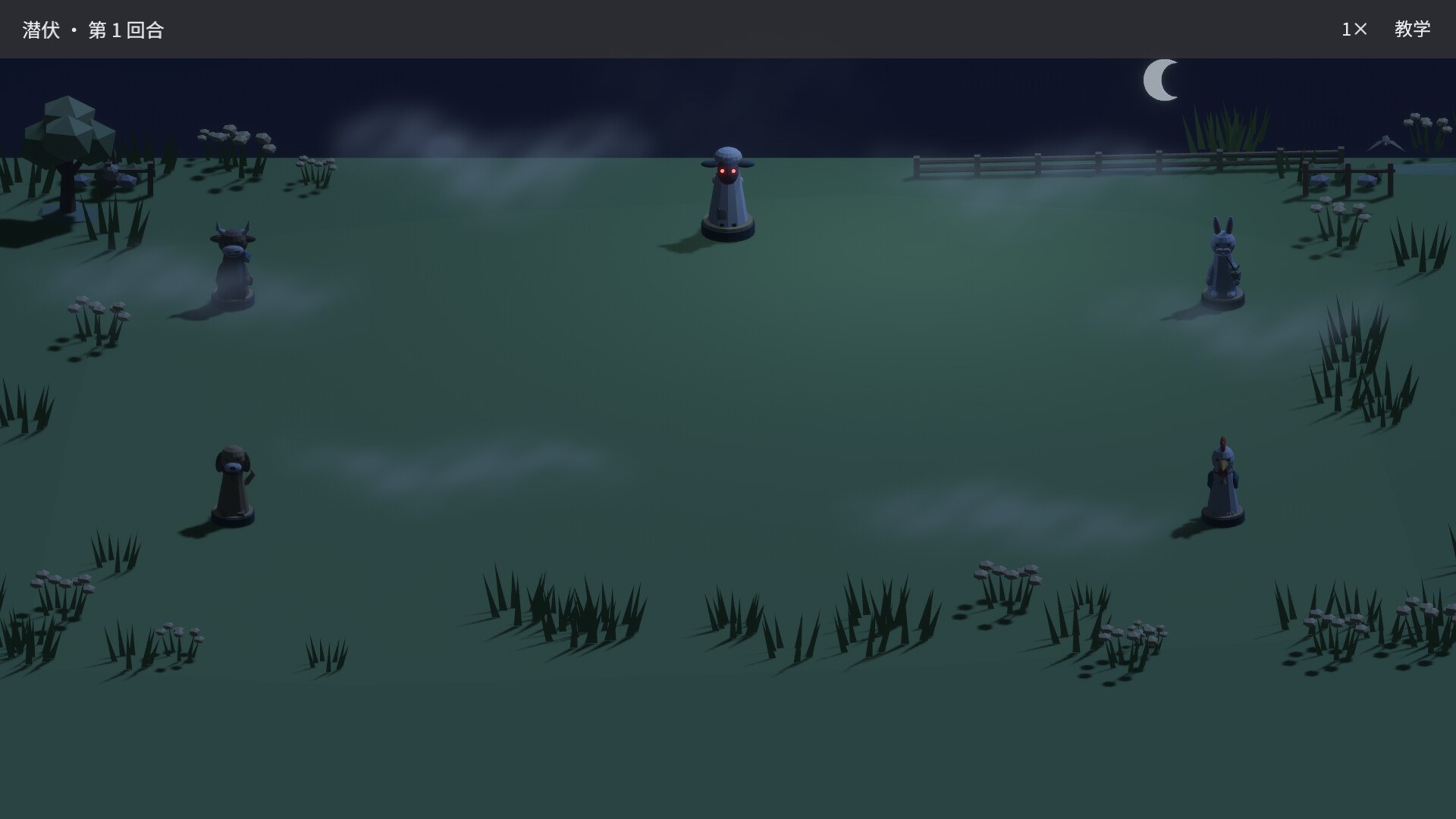
The store page describes the cards as being available in two distinct phases, and it names one of them: the Stealth Phase. During the Stealth Phase the Boss spreads Rumors that stop your pieces from gaining Morale, and it launches night raids that drain their Health. You are working with a limited hand, so this phase is a resource fight rather than a damage race. You counter the disruptions, keep your party healthy and build Morale toward the number you want before the real battle starts.
- Inspect both sides' actions, targets and upcoming skills.
- Play cards to move your own pieces' action cycles.
- Bring a needed skill forward, or delay one that is not ready.
- Counter Rumors so your pieces can still gain Morale.
- Decide when to stop preparing and start the fight.
Reading Morale, Initiative and Wavering
Morale is the spine of the whole system, and it does three separate jobs. It sets initiative, because pieces act from highest to lowest Morale. It builds from damage, because taking direct damage also builds Morale. And it unlocks power, because at maximum Morale a piece's next action unleashes an enhanced skill.
That combination means losing Health is not purely bad; it can push a piece up the turn order. The trap is the opposite direction: if you start the fight while a piece has insufficient Morale, that piece suffers Wavering and is temporarily unable to act. The store page states the choice plainly as keep building Morale or start while your party still has strength to spare.
| Term | What it does | When it matters |
|---|---|---|
| Morale | Sets turn order, builds from damage taken, unlocks enhanced skills at maximum | Every turn of the battle |
| Wavering | A piece with insufficient Morale cannot act temporarily | Only if you start the fight too early |
| Action cycle | The order in which each piece's skills come up | When you spend cards to shift it |
| Rumors | Stop your pieces from gaining Morale | During the Stealth Phase |
| Night raids | Drain your pieces' Health | During the Stealth Phase |
The Two Modes: Normal and Tower
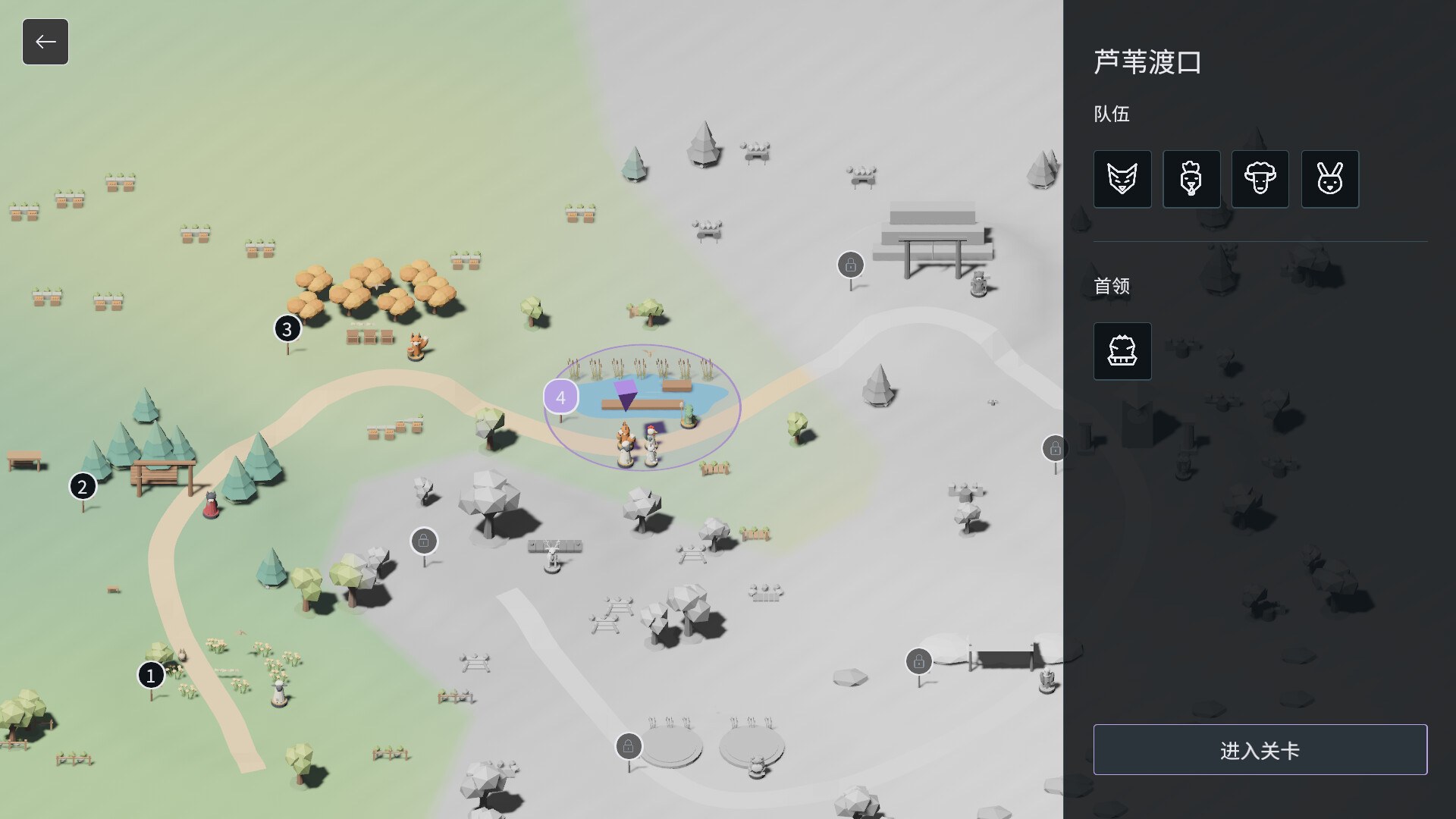
Normal Mode is the fixed-setup mode. You take on independent levels with a fixed party and a fixed hand, so the puzzle is card play and action cycles rather than team construction. Tower Mode changes two things at once: you choose your party and your hand, and you recruit the Bosses you defeat and bring them along for the challenges ahead. If you want to learn the systems without also managing a roster, Normal Mode is the cleaner classroom.
Rest Camps and Recovery
During your climb you can restore your party's Health at a campfire or a woodland hot spring. The store page frames these as rest stops where your pieces sit and chat or soak and rest before you set off again as night gives way to sunrise. Because night raids drain Health, treating a camp as a reset point rather than a bonus is the safer reading.
Where Beginners Get Stuck
The most common early mistake is treating the Stealth Phase as dead time before the real fight. It is not: it is where Morale is won or blocked, and a party that enters the battle with thin Morale will watch pieces sit out with Wavering. The second mistake is ignoring the enemy's upcoming skills. The store page tells you to inspect both sides' actions, targets and upcoming skills before shifting cycles, so a card spent without reading the Boss's plans is usually a card wasted.
- Do not start the fight just because your party is still healthy.
- Do not spend cards on cycle shifts without checking the Boss's next action.
- Do not ignore Health during the Stealth Phase and then arrive at the camp with nothing left.
Where to Go Next
For the system-by-system explanation, read the gameplay breakdown. If you want the order to play the levels in, the walkthrough covers Normal Mode and Tower Mode in sequence, and the cards page goes deeper on what the hand actually does. Practical habits that save time are collected on the tips page, and setup questions are answered on the system requirements page.
FAQ
1.What kind of game is Anshi?
Anshi is a single-player card strategy game from xchongsu, released on Steam for Windows and macOS on October 7, 2026. The store page describes it as a card strategy game with no gameplay randomness, where you use your hand to direct pieces against each level's Boss.
2.How many levels does Anshi have?
Nine. The store page states that the game includes nine levels and two modes, so the campaign content is a fixed set of nine encounters rather than an endless run.
3.What are the two modes?
Normal Mode and Tower Mode. Normal Mode gives you a fixed party and a fixed hand for independent levels, while Tower Mode lets you choose your party and hand, then recruit the Bosses you defeat and carry them into later challenges.
4.What is Morale used for?
Morale decides who acts first. In battle, pieces act in order from highest to lowest Morale, taking direct damage also builds Morale, and at maximum Morale a piece's next action unleashes an enhanced skill.
5.What is Wavering?
Wavering is the penalty for starting a fight too early. If a piece has insufficient Morale when the battle begins, it suffers Wavering and is temporarily unable to act, which is why the store page frames the decision as keeping Morale high versus starting while your party still has Health to spare.
6.Does Anshi have multiplayer or achievements?
Neither is listed. The Steam page lists only Single-player and Family Sharing as categories, and no achievement set is published for the game as of October 10, 2026.
More in Start Here
More start here pages in Anshi.
References
Facts on this page are compiled from the references above. Items marked "to confirm" are single-source and not yet verified.